

Movie plot twists have the power to completely change how audiences experience a story. Movie plot twists surprise viewers, challenge expectations, and often turn a good film into an unforgettable one. When done right, these twists don’t just shock—they add deeper meaning, emotional impact, and long-lasting discussion among fans.
In this article, we explore famous and clever movie plot twists, why they work so well, and how filmmakers use storytelling tricks to keep audiences guessing until the very end.

What Makes Movie Plot Twists So Powerful?
A great plot twist doesn’t come out of nowhere. Instead, it feels shocking and logical at the same time.
Strong movie plot twists usually:
-
Reframe the entire story
-
Change how we see the main character
-
Reveal hidden motivations
-
Reward attentive viewers
When viewers realize the clues were there all along, the twist feels earned.
The Psychology Behind Movie Plot Twists
Plot twists work because they play with human expectations.
Our brains naturally:
-
Predict outcomes
-
Trust familiar patterns
-
Follow emotional cues
Filmmakers exploit these habits by guiding viewers in one direction—then suddenly changing course. This mental surprise creates excitement, disbelief, and emotional reactions that stick long after the movie ends.
Types of Movie Plot Twists That Shock Audiences
1. The Hidden Identity Twist
One of the most popular movie plot twists involves secret identities.
Examples include:
-
A character hiding their true role
-
A trusted figure revealed as the villain
-
A stranger connected to the hero’s past
These twists work because they rely on misdirection and subtle clues.
2. The Unreliable Narrator
In this twist, the story itself cannot be fully trusted.
Common signs:
-
Memory gaps
-
Contradictory scenes
-
Emotional bias in narration
Once revealed, viewers realize they’ve been seeing a distorted version of reality.
3. The Ending That Changes Everything
Some movie plot twists appear in the final minutes.
These endings:
-
Recontextualize earlier scenes
-
Reveal unseen consequences
-
Leave audiences stunned or silent
This type of twist is risky—but when successful, it becomes legendary.
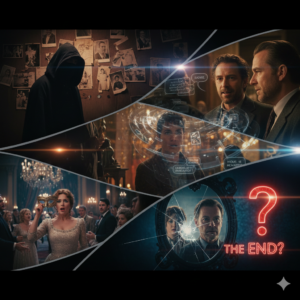
Movie Plot Twists That Reward Rewatching
The best twists make viewers want to rewatch the film immediately.
On a second viewing, audiences often notice:
-
Foreshadowing dialogue
-
Background clues
-
Symbolic imagery
This replay value is why twist-heavy films perform so well on streaming platforms.
Visual Clues That Hint at Plot Twists
Directors often hide twist clues in visuals rather than dialogue.
Examples include:
-
Mirrors and reflections
-
Framing that isolates characters
-
Repeated colors tied to secrets
These visual hints are easy to miss but obvious in hindsight.

Dialogue That Secretly Foreshadows the Twist
Many movie plot twists are hidden in plain sight through dialogue.
Writers use:
-
Double-meaning lines
-
Casual jokes with deeper truth
-
Statements that only make sense later
These lines feel innocent at first but become powerful after the reveal.
Why Some Movie Plot Twists Fail
Not all twists are successful.
Common reasons twists fail:
-
No proper buildup
-
Shock without logic
-
Contradicting earlier rules
-
Twists added only for surprise
A twist should enhance the story—not replace it.
Modern Cinema’s Obsession With Twists
Audiences today expect smarter storytelling.
Streaming platforms, online reviews, and social media discussions have raised standards. As a result, filmmakers push harder to deliver creative movie plot twists that feel fresh rather than predictable.
How Plot Twists Shape Movie Genres
Different genres use twists differently:
-
Thrillers: Identity and motive reveals
-
Horror: Reality-shifting discoveries
-
Drama: Emotional truth revelations
-
Sci-Fi: Timeline or reality twists
Each genre adapts twists to match audience expectations.
The Role of Music in Plot Twists
Sound design often prepares viewers emotionally.
Before major twists, music may:
-
Gradually fade
-
Become unsettling
-
Repeat specific themes
These audio cues subtly warn the audience—without revealing the secret.
Movie Plot Twists vs. TV Series Twists
Movies have limited time, so twists must be precise.
TV series:
-
Build twists over seasons
-
Use cliffhangers
-
Reveal information slowly
Movies, however, rely on compact storytelling and sharper reveals.
Why We Love Being Fooled by Plot Twists
Audiences enjoy twists because they:
-
Break predictability
-
Trigger strong emotions
-
Create memorable moments
A great plot twist feels like a puzzle finally snapping into place.

How to Spot Movie Plot Twists Early (Without Spoilers)
If you enjoy analyzing films, look for:
-
Repeated symbols
-
Characters avoiding direct answers
-
Scenes that feel emotionally “off”
-
Unexplained details
These are often signs of an upcoming twist.
The Future of Movie Plot Twists
As audiences become more aware, filmmakers must evolve.
Future twists may focus on:
-
Emotional reversals
-
Moral ambiguity
-
Character-driven revelations
Instead of pure shock, meaning will matter more.
Final Thoughts
Movie plot twists remain one of cinema’s most powerful storytelling tools. When crafted carefully, they surprise audiences, deepen emotional impact, and transform films into timeless experiences.
The next time a movie shocks you, look back—you might discover the twist was waiting for you all along.