
Introduction
Smart speakers have become an essential part of modern homes, offering convenience, entertainment, and connectivity all in one device. In 2025, household smart gadgets like Amazon Echo, Google Nest, and Apple HomePod are no longer just luxury items—they are tools that simplify daily life. Choosing the best smart speaker for your home can seem overwhelming with so many options, features, and brands available. From controlling smart lights and appliances to playing music, managing schedules, and answering questions with voice assistants, a good smart speaker can transform your home environment. In this guide, we’ll walk you through everything you need to consider when selecting the perfect smart speaker to match your needs and lifestyle.
Understanding Your Needs
Before purchasing a smart speaker, it’s important to understand what you want it to do. Some people want a device mainly for playing music with high-quality sound, while others are looking for a hub to control their smart home devices. Many smart speakers offer both, but knowing your priorities helps narrow down your options. For instance, if you plan to integrate it with multiple smart lights, plugs, or security devices, compatibility with your existing smart home ecosystem is crucial. On the other hand, if audio quality is your main concern, you may want to focus on speakers with advanced sound features or multi-room support. Understanding your needs ensures that you choose a smart speaker that truly enhances your daily life.
Voice Assistant Compatibility
Most smart speakers come with built-in voice assistants like Amazon Alexa, Google Assistant, or Apple Siri. The choice of voice assistant can affect which devices and services your speaker works with. For example, Alexa supports a wide range of third-party smart home devices, Google Assistant excels in answering questions and providing calendar integration, while Siri works seamlessly with Apple products. It’s important to consider which platform matches your home setup. Choosing a smart speaker compatible with your preferred voice assistant ensures smooth integration and allows you to control your devices effortlessly.
Sound Quality and Performance
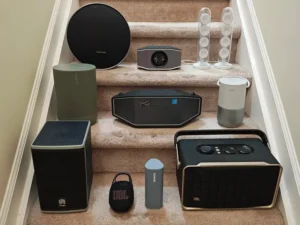
Sound quality is a major factor for anyone who wants a smart speaker for music, podcasts, or home entertainment. Some speakers are compact but lack deep bass or clear highs, while larger models offer full-range audio with multi-room support. If you enjoy listening to music often, it’s worth comparing different speakers’ audio capabilities, checking reviews, and even testing them in-store if possible. A good smart speaker should deliver clear, balanced sound at all volumes and support popular music streaming services. Sound performance is especially important if you plan to use the speaker in multiple rooms or host gatherings at home.

Design and Placement
The physical design and size of a smart speaker can impact both its performance and how it fits in your home. Some devices are small and portable, while others are larger and designed to deliver superior audio. Consider where you will place the speaker—on a desk, countertop, or living room shelf—and whether the design complements your interior style. Placement also affects sound quality and voice recognition. For instance, a speaker tucked in a corner might struggle to hear commands or fill the room with sound, while an open space allows for better audio distribution. Choosing the right design ensures your smart speaker is both functional and visually appealing.
Connectivity and Smart Home Integration
One of the main advantages of smart speakers is their ability to connect with other smart home devices. When choosing a speaker, consider what devices it can control, such as smart lights, plugs, thermostats, security cameras, or robotic cleaners. Check whether it supports Wi-Fi, Bluetooth, or both, and whether it can connect to multiple devices simultaneously. Integration with your existing smart home setup is crucial, as it ensures that you can control everything from a single device using voice commands or an app. A speaker that works well with your other smart gadgets makes your home more convenient and fully automated.

Privacy and Security Considerations
Smart speakers are always listening for commands, which can raise concerns about privacy and data security. Many devices offer features like mute buttons, microphone controls, and encryption to protect your information. Before choosing a smart speaker, review its privacy policies and settings to ensure it aligns with your comfort level. Some speakers allow you to manage voice recordings or disable certain features for added security. Being aware of privacy and security features is important for maintaining trust and feeling safe while using smart home technology.
Budget and Value
Smart speakers are available at various price points, from affordable options to high-end devices with premium sound and advanced features. While it might be tempting to buy the cheapest model, it’s important to balance cost with functionality, durability, and performance. Investing in a slightly higher-end speaker that meets all your needs often provides better long-term value, especially if you plan to use it as the central hub for your smart home. Consider the overall benefits, compatibility, and features rather than focusing solely on price when making your choice.
Conclusion
Choosing the best smart speaker for your home in 2025 requires considering multiple factors, including your needs, voice assistant compatibility, sound quality, design, connectivity, privacy, and budget. A well-chosen smart speaker can simplify daily routines, enhance home entertainment, improve energy efficiency, and integrate seamlessly with other household smart gadgets. By taking the time to evaluate these factors, you can select a device that not only meets your expectations but also elevates your home into a smarter, more connected, and user-friendly environment. With the right smart speaker, your home becomes more convenient, efficient, and enjoyable, providing lasting value for years to come.